Two labs and a beagle mix can bury a quarter-acre backyard in waste faster than most people believe. If you run a multi-dog household, cleanup stops being a chore and becomes logistics: volume, zones, gear, and a schedule that survives busy weeks. Skip the system and you get flies, smells, dead grass, and shoes you leave outside permanently.
I have managed yards with three large dogs for years, and the difference between chaos and control comes down to nine rules. Here is the full playbook for 2026, including the math nobody does before adopting dog number three.
The Math Nobody Does Before Dog Number Three
An average 50-pound dog produces roughly three-quarters of a pound of waste per day. Multiply that across a pack and a week, and the numbers explain why a casual approach fails.
| Dogs in home | Approx. waste per week | Piles per week | Minimum scoop frequency |
|---|---|---|---|
| 1 | 5 lbs | 10 to 14 | Twice weekly |
| 2 | 10 lbs | 21 to 28 | Every other day |
| 3 | 15 lbs | 32 to 42 | Daily |
| 4+ | 20+ lbs | 45+ | Daily, two passes |
Those figures shift with dog size and diet, but the trend holds: every added dog compresses your margin for procrastination. The American Veterinary Medical Association notes that prompt waste removal also limits parasite transmission between dogs, which matters far more when several animals share one patch of ground.
The 9 Rules of a Clean Multi-Dog Household
- Scoop daily, not weekly. Volume makes weekly pickup a 40-minute ordeal. Daily takes five minutes and never becomes dreadful.
- Zone the yard. Fence or train dogs toward one gravel or mulch potty area. Three dogs using one zone beats three dogs using everything.
- Assign the chore a trigger. Tie scooping to something fixed, like the morning coffee brewing. Habits attached to anchors survive chaotic schedules.
- Use a lidded, lined outdoor can. A dedicated bin with a locking lid kills odor complaints and raccoon raids in one move.
- Double-bag on hot weeks. Summer heat accelerates smell. Two thin layers or one thick liner keeps the can tolerable between trash days.
- Stage supplies at the door. A heavy duty tool bag stocked with liners, gloves, and a spare rake means zero trips back inside mid-task.
- Deworm on the vet’s schedule. One infected dog reinfects the rest through shared ground. Prevention is cheaper than treating three.
- Rotate rest areas. Move water bowls and shade beds monthly so no single spot takes all the traffic and waste pressure.
- Audit weekly. Walk the fence line every Sunday. Whatever you find hiding there tells you which rule slipped.
How Often Should a Multi-Dog Household Scoop the Yard?
Daily is the honest answer once you pass two dogs. The reasoning is not just smell. Hookworm and roundworm eggs need time in soil to become infective, so same-day removal breaks the parasite cycle before it starts.
There is also a behavioral angle. Dogs avoid heavily soiled ground, and in a crowded yard that pushes them to eliminate in new areas, spreading damage across your whole lawn. Fast pickup keeps the potty zone attractive and the rest of the grass off-limits.
If daily truly is not possible, commit to a strict every-other-day floor and accept a bigger session each time.
Gear That Survives a Pack
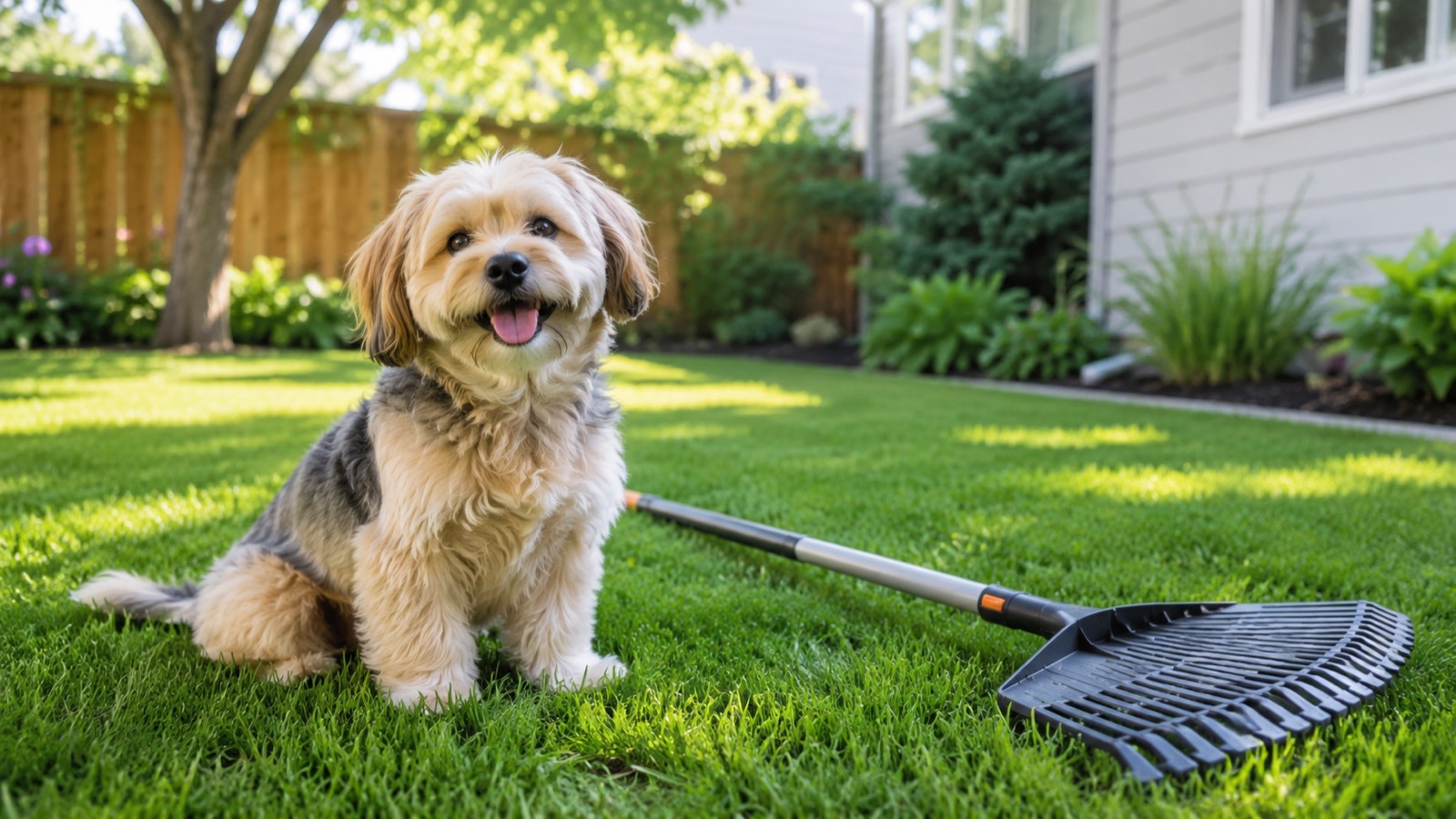
Cheap plastic scoopers snap within a month under pack-level use. Look for welded metal construction, a handle long enough that you never bend, and a design that works on both grass and hard surfaces.
Reviews and forums debating the Best pooper scooper tend to agree on one point: with multiple dogs, buy once and buy sturdy, because the tool gets used 400 times a year. A bag-lined scooper design is worth considering too, since it lets you collect several piles into one bag without ever touching or transferring anything.
My favorite pack-specific trick: keep two scoopers, one at each end of the yard. It sounds excessive until you realize the number one reason a pile gets skipped is that the tool was thirty feet away.
When Outsourcing Beats Doing It Yourself
Some weeks the pack wins. Travel, illness, or a newborn can turn a manageable system into a backlog, and that is exactly when a weekly scooping service earns its fee. Vet them the way businesses vet reliable local experts in any trade: ask about insurance, disinfection between yards, and what they do with the waste afterward.
Expect to pay 20 to 35 dollars per visit for three dogs in most U.S. metros in 2026. For many households that is the cheapest sanity purchase available.
The Indoor Spillover Problem
Yard hygiene in a multi-dog household does not stop at the door, because six or eight paws import whatever the yard holds. The homes that stay clean treat the entry as a checkpoint, not a hallway.
Set up a mudroom station with a washable rug, a paw towel per dog, and a jar of treats to make wipe-downs a welcomed ritual instead of a wrestling match. On wet weeks, add a shallow boot tray of clean water for a quick paw dunk before the towel.
Floors deserve a matching routine. Hard surfaces near dog doors benefit from a weekly enzyme-cleaner pass, which digests organic residue instead of perfuming over it. And wash bedding on a fixed rotation, since three dogs sharing two beds concentrate everything the yard sent inside. Fifteen minutes of entry discipline saves hours of whole-house cleaning.
Frequently Asked Questions
Do more dogs mean more parasite risk in the yard?
Yes. Shared ground multiplies exposure, since one infected dog seeds soil that the others sniff and walk daily. Monthly preventives plus daily pickup keep the cycle broken even in large packs.
What surface is best for a multi-dog potty zone?
Pea gravel drains well, rinses clean, and does not stain. Mulch is cheaper but needs replacing twice a year. Avoid artificial turf for heavy multi-dog use unless you commit to enzyme rinses, because odor builds in the backing.
How do I stop one dog from eating another’s waste?
Immediate pickup is the only reliable fix. Coprophagia deterrent chews help some dogs, but removing the opportunity works for all of them. Feed meals separately and scoop right after the morning group outing.
Final Word
A multi-dog household does not have to smell like one. Run the math, zone the yard, scoop daily with gear built for volume, and audit every Sunday. Pick two rules from the nine and start them tomorrow morning; the other seven will follow once you feel the difference.