
Building a healthier relationship with your money in 2026 rarely comes down to willpower alone. The people who quietly get ahead usually lean on a smart phone in their pocket, a handful of automated rules, and a few well-chosen tools that do the heavy lifting for them. This guide walks through the money apps that actually move the needle, how to combine them, and where beginners tend to trip up.
Why the Right Money Apps Beat Willpower
Most budgeting failures are not moral failures. They are friction failures. When tracking a purchase takes five manual steps, you stop doing it, and your plan quietly collapses within two weeks.
Good apps remove that friction. They sync your accounts, categorize spending automatically, and nudge you before a bill hits. The best of them turn a chore into a background process you barely notice.
If you are just starting to explore the ecosystem, a curated shortlist of the best money apps saves you hours of trial and error and keeps you from downloading tools you will abandon by February.
The Four Categories Every Beginner Should Cover
You do not need twelve apps. You need one strong pick in each of four categories. Trying to install everything at once is the fastest route to giving up.
- Budgeting and tracking — a single dashboard that shows where every dollar goes.
- Saving and automation — tools that sweep small amounts aside without you thinking about it.
- Peer payments and cashback — apps you already use to send money, with rewards layered on top.
- Investing — a low-fee account that turns spare cash into long-term growth.
Start with budgeting, add saving once that habit sticks, then layer on the rest. Sequencing matters more than speed.
Budgeting: Your Financial Command Center
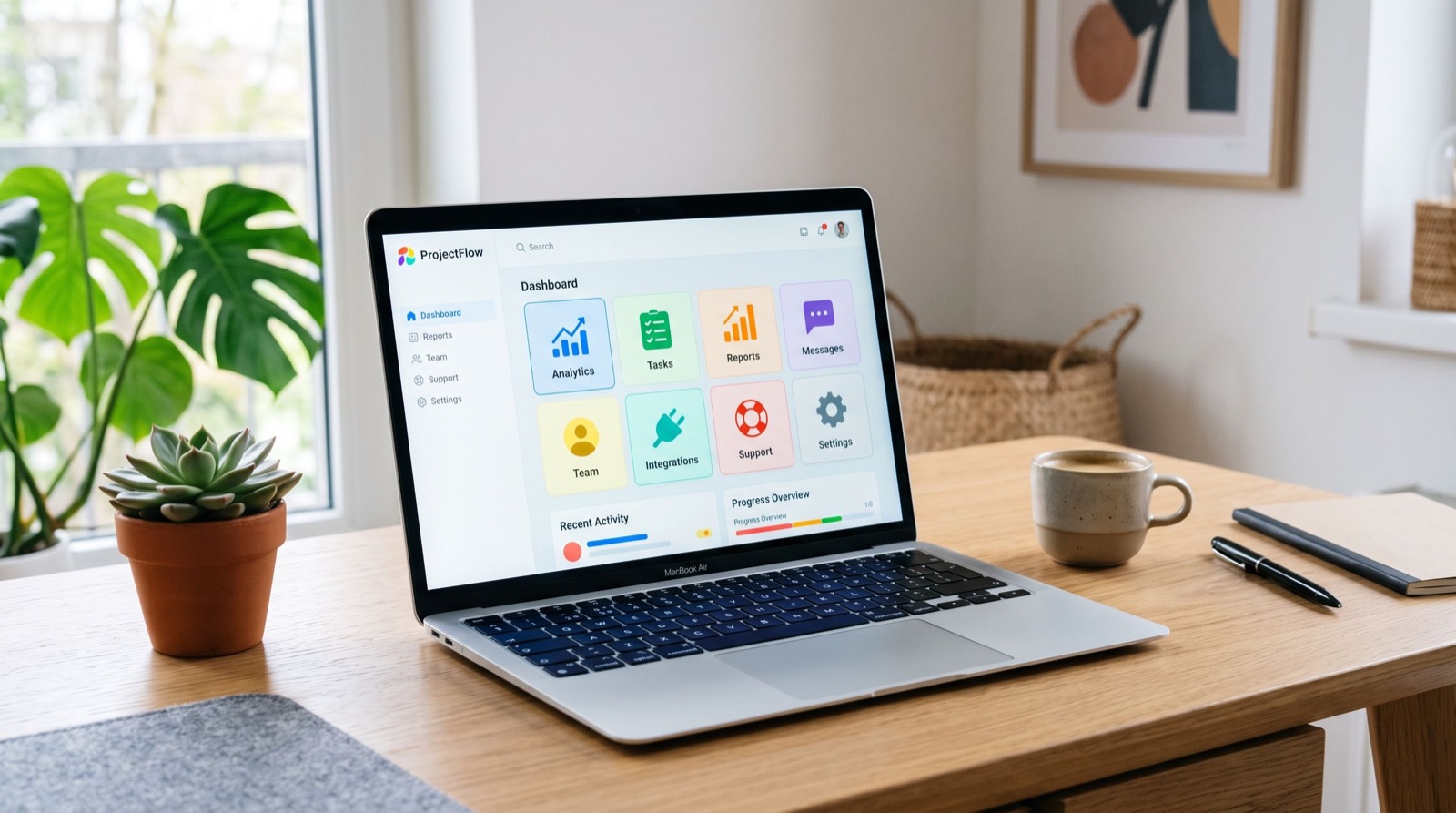
A budgeting app should answer one question instantly: can I afford this right now? Modern apps connect to your bank, tag transactions, and flag when a category is running hot.
The trick is to check it for sixty seconds a day rather than agonizing over a spreadsheet once a month. Small, frequent glances keep you honest.
Peer Payments Done Right
Millions of Americans split rent, pay babysitters, and reimburse friends through mobile wallets. Used well, these apps also hold a spending balance, offer a linked debit card, and surface cashback offers. A practical Cash App guide can help you set up direct deposit, enable savings features, and avoid the fees that catch new users off guard.
How These Apps Compare at a Glance
Below is a simplified snapshot of what each category typically offers so you can decide where to plug the biggest hole in your finances first.
| Category | Main Job | Best For | Typical Cost |
|---|---|---|---|
| Budgeting | Track and categorize spending | Overspenders | Free to $15/mo |
| Saving | Automate small transfers | Non-savers | Usually free |
| Peer payments | Send money and earn cashback | Everyday spenders | Free |
| Investing | Grow cash long term | Beginners | $0 commissions |
Notice that cost is rarely the deciding factor. The right fit depends on the habit you most want to fix.
Automating Your Savings So You Never Feel It
The single most powerful move you can make is to automate. When money leaves your checking account the day you get paid, you adjust your spending around what remains and stop relying on leftovers that never appear.
Set up a recurring transfer of even $25 per paycheck into a high-yield savings account. According to the FDIC, funds in an insured savings account are protected up to the standard limit, which makes automated saving both effortless and safe.
Round-up features add another quiet layer. Every card swipe rounds to the next dollar and drops the change into savings or investments. Those pennies add up faster than most people expect.
A Real-World Setup That Takes 30 Minutes
Theory is easy to nod along to and hard to act on, so here is a concrete blueprint you can copy this weekend. It assumes you get paid twice a month, but it scales to any pay schedule.
First, open a free budgeting app and link your primary checking account. Spend ten minutes reviewing the last thirty days and renaming any mislabeled categories so the data actually reflects your life.
Next, open a high-yield savings account at an online bank and schedule an automatic transfer of $50 for the day after each paycheck lands. This is your emergency cushion, and it grows without any further decisions from you.
Finally, install one investing app and set a recurring $25 contribution into a low-cost index fund. Over a full year, that quiet routine moves roughly $1,800 out of spending temptation and into your future.
The entire setup takes about half an hour once, then runs on its own. That is the whole point: you design the system once and let it work for months without your attention.
Common Mistakes That Sink Beginners
Even great apps cannot save you from a few predictable traps. Knowing them in advance keeps your momentum intact.
The first mistake is app overload, downloading eight tools in one night and abandoning all of them by the weekend. Start with one and add slowly. The second is ignoring notifications, which turns a helpful nudge into background noise you swipe away.
The third and costliest mistake is treating savings as optional leftovers. Money that is not automatically moved aside almost never gets saved, because everyday spending expands to fill whatever remains in your checking account.
Avoiding the Fees That Quietly Drain You
Free apps are not always free. Watch for instant-transfer fees, out-of-network ATM charges, and subscription tiers you signed up for and forgot. Reviewing your statements each month keeps these leaks from becoming floods.
The Consumer Financial Protection Bureau publishes plain-language guides on prepaid and payment apps that are worth skimming before you lock into any platform.
When you eventually need help with taxes, insurance, or a mortgage, look for quality service providers who explain fees clearly and put your interests first rather than pushing products.
Frequently Asked Questions
Which money app should a complete beginner download first?
Start with a budgeting app that links to your bank. Seeing your real spending for one month is the foundation everything else builds on. Add saving and investing tools only once tracking feels automatic.
Are free money apps actually safe to use in 2026?
Reputable apps use bank-level encryption and partner with FDIC-insured institutions for deposits. Enable two-factor authentication, avoid public Wi-Fi for transfers, and stick to well-reviewed apps from official app stores.
How much money do I need to start investing?
Many investing apps let you begin with as little as $1 through fractional shares. The habit of investing consistently matters far more than the starting amount, so do not wait for a big lump sum.
Can I use several money apps at once without getting overwhelmed?
Yes, if you assign each a clear job. One for budgeting, one for saving, one for payments, and one for investing keeps your system tidy. Problems start when two apps compete for the same task.
Your Next Step Toward Financial Confidence
You do not need to overhaul your entire financial life this weekend. Pick one category, install one trusted app, and let it run for thirty days. Once automation quietly builds a small cushion, the momentum makes every next step easier. Choose the best money apps for your goals today, set them on autopilot, and let 2026 be the year your money finally works while you sleep.