
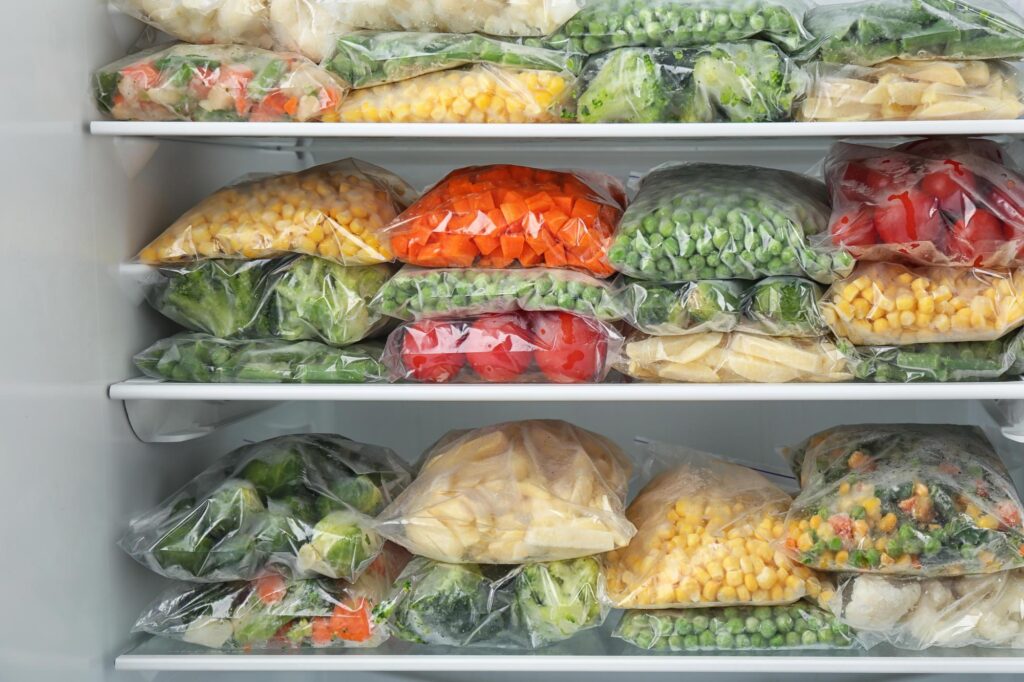
In the modern Saudi economy, frozen storage is the silent hero that ensures a family in Riyadh can enjoy a Brazilian steak, a hospital in Jeddah can administer life-saving vaccines, and a café in Dammam can serve a perfectly chilled dessert. As the Kingdom accelerates toward its Vision 2030 goals, the demand for reliable, high-tech Frozen Storage is not just growing—it is transforming the logistics landscape.
Valued at over USD 2.4 billion in 2025 and expected to nearly triple to USD 6.25 billion by 2033, the Saudi cold storage market is growing at a robust 11.7% CAGR . This guide explores the dynamic frozen storage sectors in the key hubs of Dammam and Jeddah and demonstrates why Units is the top partner for your cold chain needs.
Frozen Storage: The Core of the Cold Chain
Frozen storage refers to warehouse facilities specifically designed to maintain products at sub-zero temperatures, typically -18°C (0°F) or lower for general frozen food, and -20°C or lower for specialized sectors like ice cream and pharmaceuticals. Unlike chilled storage, frozen storage halts biological activity, effectively pausing the expiration clock on perishable goods.
In 2025, the refrigerated storage segment dominated the market, holding the largest share of the cold chain logistics sector. The growth is driven by a high dependency on food imports and an expanding pharmaceutical sector that relies on temperature-sensitive biologics and vaccines.
Key requirements for modern frozen storage include:
- Industrial-Grade Refrigeration: Ability to maintain exact temperatures even when external temperatures exceed 45°C.
- High-Performance Insulation: Specialized panels (often 150mm-200mm thick) that prevent thermal exchange and reduce energy costs.
- Real-Time Monitoring (IoT): Sensors that provide 24/7 data on temperature and humidity, linked to central control towers.
- Redundancy Systems: Backup generators and secondary refrigeration units to ensure zero downtime during power fluctuations.
- SFDA Compliance: The Saudi Food and Drug Authority enforces strict regulations requiring certified facilities, calibrated temperature monitoring, and auditable logs .
Frozen Storage in Dammam: The Eastern Province Industrial Hub
Dammam, the capital of the Eastern Province, is a powerhouse for the oil & gas, petrochemical, and industrial sectors. The demand for Frozen Storage in Dammam is heavily influenced by logistics for food distributors, pharmaceutical companies, and the need to serve one of the Kingdom’s largest populations.
Mega-Infrastructure Transforming Dammam
The cold chain landscape in Dammam is being reshaped by massive investment. The Saudi Ports Authority (Mawani) is developing a fully integrated logistics park spanning over 1 million square meters at King Abdulaziz Port (KAPD), with an investment of nearly one billion Saudi Riyals ($266 million) .
This zone is designed to include warehouses and yards equipped to store and handle all types of dry and refrigerated goods. This integration is critical for importers; it allows frozen containers to be moved seamlessly from ship to storage, reducing handling times and improving cold chain integrity. This initiative aligns with the National Strategy for Transport and Logistics Services and Vision 2030, enhancing the logistics sector’s role in supporting the national economy .
Additional Developments in the East
Complementing the mega-zone, Sultan Logistics has signed an agreement with Mawani to develop a logistics park at King Abdulaziz Port in Dammam featuring 35,000 square meters of warehousing. A re-export zone will also be included, further enhancing logistics capabilities and supporting commercial activity with high operational standards .
Products Ideal for Frozen Storage in Dammam:
- Frozen meats, poultry, and seafood for industrial catering
- Pre-cooked meals for the oil & gas sector
- Ice cream and frozen dairy products
- Pharmaceuticals and biologics requiring stable temperatures
Frozen Storage in Jeddah: The Red Sea Gateway
Jeddah is the commercial gateway to the Red Sea and the primary entry point for imports destined for the holy cities of Makkah and Madinah. As such, Frozen Storage in Jeddah is critical for managing the massive flow of refrigerated containers entering the Kingdom.
Major Infrastructure Developments
Jeddah’s importance as a logistics hub has been reinforced by massive investments.
Naqel Express has officially opened new Gateway facilities at King Abdulaziz International Airport (KAIA) as well as new Pharma and Cold Chain warehouse facilities in Jeddah. These are part of new investments of more than SR300 million ($79.89 million) being made in the Western Province. The facility is equipped with the highest standards in the cold chain industry, offering various solutions catering to the specific requirements of pharmaceutical, healthcare, and FMCG sectors .
Furthermore, Mawani has signed a contract with Sultan Logistics to establish a logistics zone in the Al-Khumra area of Jeddah Islamic Port, spanning 200,000 square meters and valued at 250 million Saudi riyals ($66.61 million). This zone includes integrated operational facilities such as warehouses and dedicated areas for storing and maintaining dry and refrigerated containers, plus a re-export zone .
Seasonal Demand Peaks
Jeddah’s frozen storage market experiences dramatic seasonal peaks driven by Hajj and Umrah pilgrimages. During these periods, demand for frozen meat, poultry, and prepared meals surges as hospitality providers serve millions of pilgrims. Facilities with surge capacity and flexible contracts are particularly valued in this environment.
Products Ideal for Frozen Storage in Jeddah:
- Imported frozen fruits and vegetables
- Dairy products and frozen juices
- Ready-to-eat meals for hospitality
- Pharmaceuticals requiring strict temperature control
- Frozen bakery items and dough
Units: Your Trusted Partner for Frozen Storage Across Saudi Arabia
When your business demands frozen storage that is reliable, compliant, and strategically located, one company leads the market across Saudi Arabia: Units. As the top company for frozen storage solutions, Units combines local expertise with world-class infrastructure to ensure your cold chain never breaks.
Why Units is the Industry Leader
1. Precisely Calibrated Temperatures (-18°C to -24°C)
Units offers specialized freezing warehouses with consistently low temperatures, ideal for high-sensitivity goods such as frozen meats, poultry, seafood, ready-to-eat meals, ice cream, butter, frozen dairy, frozen vegetables and fruits, dough, and bakery items . Units maintains strict humidity and airflow control to prevent freezer burn .
2. SFDA Compliance and Food Safety
Units’ frozen warehouses are fully certified by the Saudi Food & Drug Authority (SFDA). This ensures compliance with the Kingdom’s strict regulatory standards for food and pharmaceutical storage—a critical requirement for any business handling frozen food products .
3. 24/7 Security Monitoring and Surveillance
All Units facilities feature 24/7 security monitoring and camera surveillance . Warehouses are open Saturday to Thursday from 7 AM to 5 PM, with continuous online access for inventory management.
4. Flexible, Scalable Contracts
Units offers flexible contracts including month-to-month, 6-month, and 12-month options, allowing businesses to scale storage based on real operational needs without long-term commitments. You pay only for the space you use.
5. All-in-One Digital Platform
With Units, you are never in the dark about your inventory. Their user-friendly online platform provides 24/7 access to your stock levels. You can track inventory in real-time, conduct virtual audits, and generate reports instantly from any device.
Don’t let temperature excursions spoil your goods or damage your reputation. Whether you need to store frozen meats, ice cream, or life-saving vaccines, Units provides the security and precision your frozen inventory deserves.
Visit units.sa today to schedule a consultation or a facility tour.
Conclusion
The frozen storage industry in Saudi Arabia is no longer just about storing food; it is a sophisticated, technology-driven sector essential for health and economic security. With the market expanding at an 11.7% CAGR, driven by Vision 2030, the demand for reliable, sustainable, and specialized frozen storage in Dammam and Jeddah has never been higher.
- Frozen Storage is the dominant segment, crucial for preserving food quality and extending shelf life.
- In Dammam, the market is powered by mega-projects like the 1 million square meter integrated logistics zone at King Abdulaziz Port, designed to handle all types of refrigerated goods .
- In Jeddah, the landscape is transformed by NAQEL’s SR300 million cold chain investment, featuring pharma-grade facilities and specialized zones for refrigerated container storage .
Units stands at the forefront of this transformation, offering SFDA-compliant, technology-driven, and scalable frozen storage solutions. Do not compromise on the safety of your frozen assets. Visit units.sa and discover the future of cold chain logistics.
Frequently Asked Questions (FAQs)
1. What temperature range does Units maintain for frozen storage?
Units maintains precisely calibrated temperatures between -18°C and -24°C for frozen storage, with strict humidity and airflow control to prevent freezer burn and preserve product quality. Units’ warehouses are certified by the Saudi Food & Drug Authority, ensuring compliance with the Kingdom’s strict regulatory standards .
2. What frozen storage facilities are being built in Dammam?
A fully integrated logistics park spanning over 1 million square meters is under development at King Abdulaziz Port (KAPD) with an investment of nearly $266 million. This facility includes warehouses and yards equipped to store and handle refrigerated goods . Additionally, Sultan Logistics is developing a park with 35,000 sqm of warehousing and dedicated container storage .
3. What cold chain facilities are being developed in Jeddah?
Naqel Express has opened new Pharma and Cold Chain warehouse facilities in Jeddah as part of SR300 million investments in the Western Province, catering to pharmaceuticals, healthcare, and FMCG . Furthermore, Sultan Logistics is developing a 200,000 sqm logistics zone at Jeddah Islamic Port with dedicated refrigerated container storage .
4. How is the Saudi frozen storage market growing?
The cold storage market in Saudi Arabia is expected to reach USD 6,251.9 million by 2033, growing at an 11.7% CAGR. The market is driven by rapid population growth, increasing demand for fresh food, and the high prevalence of chronic diseases requiring temperature-sensitive medications .
5. How can I monitor my products in a frozen warehouse with Units?
Units provides every client with a secure 24/7 web portal showing real-time inventory levels. You can conduct audits, generate reports, and access warehouse information from any internet-connected device. Facilities are open Saturday to Thursday, 7 AM to 5 PM, with continuous online access .